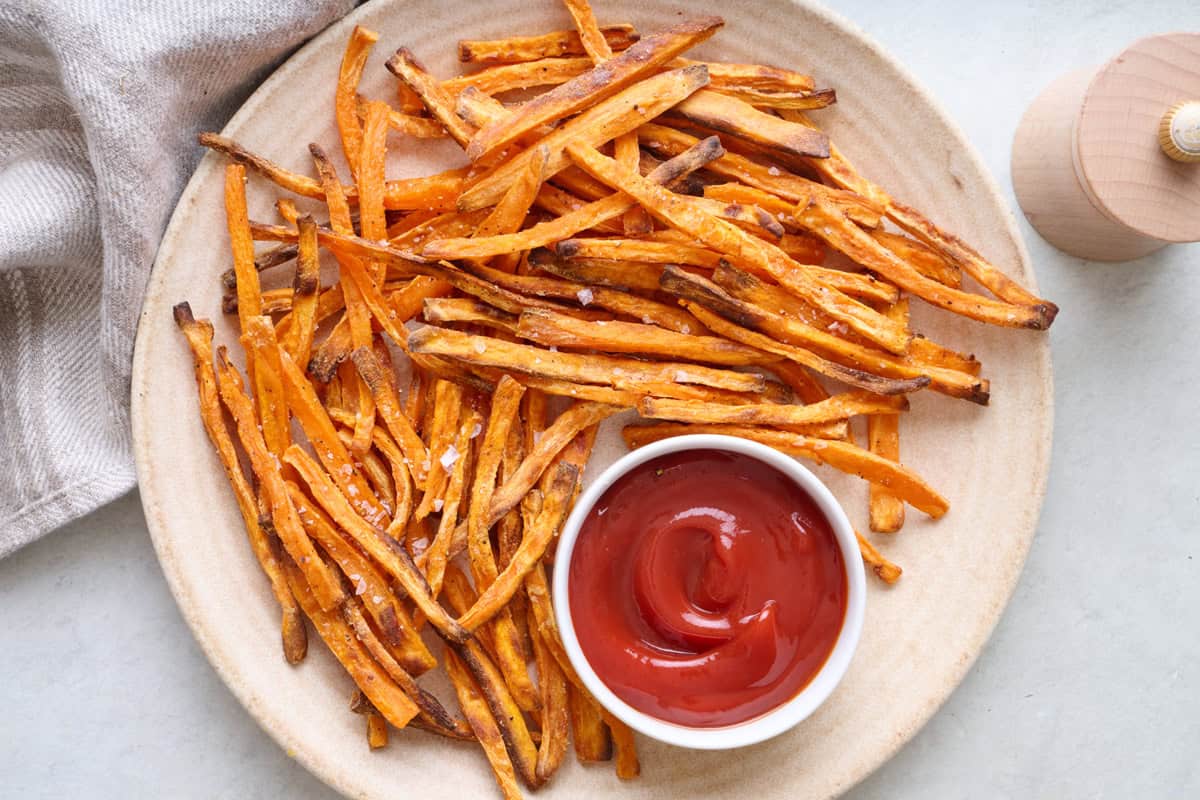
The Battle Against the Soggy Fry: Why Sweet Potatoes Are Tricky
Ah, sweet potato fries. That alluring side dish, promising a delightful balance of sweet and savory, a golden crunch that perfectly complements almost any meal. Yet, how often do we find ourselves staring at a sad pile of limp, soggy, or even leathery sticks, a far cry from the crispy dreams we envisioned? This culinary disappointment is all too common, especially when attempting to master how to make sweet potato fries at home in the oven.
The truth is, sweet potatoes aren't built like their russet cousins, and that's precisely why they pose a challenge for achieving true crispness. Unlike starchy white potatoes, sweet potatoes contain less starch, more sugar, and significantly more water. This trifecta makes it inherently difficult for them to develop that coveted crunchy crust before their interiors overcook and turn soft or even mushy. Even deep-frying often falls short, yielding a less-than-shattering crispness compared to traditional French fries.
But what if we told you there's a simple, oven-ready secret that not only rivals but often surpasses the crispiness of their deep-fried counterparts? Forget the splattering oil and the arduous cleanup. With a few clever tricks involving humble cornstarch and a touch of baking soda, you can achieve restaurant-quality, truly crispy sweet potato fries right from your oven, transforming your weeknight meals into a bar-food dream.
The Dynamic Duo: Cornstarch & Baking Soda Unveiled
The journey to truly crispy oven-baked sweet potato fries hinges on understanding and leveraging the science of two kitchen staples: cornstarch and baking soda. These ingredients, used in a specific way, create an almost magical transformation, turning those typically soft sweet potato sticks into golden, crunchy perfection.
The Cornstarch Slurry Secret: A Game Changer
Many home cooks attempt to use cornstarch for crispness by simply tossing dry starch with oil-coated sweet potatoes. While this might offer a minor improvement, it often results in an uneven, chalky, or even bitter coating. The real breakthrough comes from a technique borrowed from culinary experts: creating a cooked cornstarch slurry.
Here's why this method is so revolutionary for achieving No More Soggy! Achieve Truly Crispy Oven-Baked Sweet Potato Fries:
- Pregelatinization: When you whisk cornstarch with water and then briefly heat it (often in the microwave), the starch granules absorb moisture and swell, forming a smooth, translucent, yogurt-like paste. This process is called pregelatinization.
- Even, Thin Coating: Unlike dry starch, this pregelatinized slurry clings perfectly and evenly to every surface of the sweet potato stick. It creates a thin, cohesive batter that acts as an invisible barrier, preventing moisture from escaping too quickly and forming a uniform crisp shell.
- No Dustiness or Darkness: Because the starch is already hydrated and somewhat cooked, it crisps beautifully in the oven without turning dark, dusty, or bitter, mimicking the delicate crunch of a deep-fried fry. It's the ultimate secret weapon for getting those coveted crispy sweet potato fries.
Baking Soda: The Browning Catalyst
While cornstarch handles the crispness, baking soda plays a crucial role in enhancing both color and flavor. Adding just a touch of baking soda to your cornstarch slurry mixture works by raising the pH level of the sweet potato's surface. This seemingly small adjustment has a significant impact:
- Accelerated Maillard Reaction: An elevated pH level speeds up the Maillard reaction – the complex chemical process responsible for the browning and development of rich, savory "roasted" flavors in food.
- Deep Color Without Overcooking: With baking soda, your sweet potato fries will achieve that desirable deep golden-brown hue and robust roasted flavor much faster, before the delicate interiors have a chance to overcook and become mushy. This ensures your fries are perfectly cooked throughout, both inside and out.
The combination of the pregelatinized cornstarch slurry and a pinch of baking soda is the fundamental secret to transforming subpar sweet potato fries into truly exceptional, crispy delights straight from your oven.
Beyond the Batter: Essential Techniques for Oven Perfection
While the cornstarch and baking soda are the stars of the show, achieving truly Restaurant-Crisp Sweet Potato Fries: Your Oven-Baked Guide requires a few other crucial techniques. These methods work in concert to ensure every fry emerges perfectly golden and crunchy.
Precision in Cutting: The 1/2-Inch Rule
The way you cut your sweet potatoes is more important than you might think. Aim for uniform 1/2-inch sticks. Why this specific dimension?
- Increased Surface Area: Cutting into thinner sticks significantly increases the ratio of crisp surface area to soft interior. More surface area means more potential for crunch.
- Even Cooking: Uniformity is key for even cooking. If your fries are different sizes, some will burn while others remain undercooked or soggy. Consistency ensures every fry cooks at the same rate.
For best results, peel your sweet potatoes, then slice them lengthwise into 1/2-inch planks. Stack a few planks and cut them into 1/2-inch sticks. A sharp knife and a steady hand are your best tools here.
Strategic Pan Prep: Creating an "Oven Shallow Fry"
How your fries hit the pan can make or break their crispness. The goal is to mimic a shallow-frying effect within your oven. Here's how:
- Cooking Spray First: Before adding any oil, lightly spray your baking sheet (preferably a heavy-duty, light-colored one for even heat distribution) with cooking spray. This creates a non-stick base.
- Add Oil Evenly: Pour your desired oil (a high smoke point oil like avocado or grapeseed is excellent) onto the sprayed sheet. The initial spray helps the oil spread into a perfectly even, thin film across the entire surface instead of beading up.
- Consistent Contact: This thin, uniform layer of fat allows the fries to make consistent, direct contact with the hot baking sheet, promoting even crisping rather than steaming or scorching in patches. Essentially, you're giving each fry its own mini "frying" environment.
The Importance of Space: Don't Crowd the Pan
This is a golden rule for all oven-roasted vegetables, and sweet potato fries are no exception. Overcrowding your baking sheet is a surefire way to end up with steamed, rather than crispy, fries. When too many fries are packed together, they release moisture, which then gets trapped, turning your oven into a steamer basket.
- Single Layer: Arrange your fries in a single layer with a little space between each one. This allows hot air to circulate freely around every piece, promoting maximum crisping.
- Use Multiple Trays: If you're making a large batch, use two or even three baking sheets. It's better to have two perfectly crispy batches than one large soggy one.
High Heat is Your Friend
For ultimate crispness, a high oven temperature is essential. Preheat your oven to a robust 425-450°F (220-230°C). This high heat quickly evaporates surface moisture and promotes rapid browning and crisping.
- Preheat Thoroughly: Don't rush this step. Allow your oven to fully preheat for at least 15-20 minutes after it signals it's reached the desired temperature. The baking sheet itself needs to get hot to kickstart the crisping process immediately when the fries are added.
Putting It All Together: Your Guide to Crispy Sweet Potato Fries
Now that we've uncovered the science and techniques, let's summarize how to make sweet potato fries that are truly crispy:
- Prep Your Sweet Potatoes: Peel and cut sweet potatoes into uniform 1/2-inch sticks.
- Make the Slurry: Whisk cornstarch with a small amount of water until smooth. Microwave briefly until it forms a thick, smooth, yogurt-like paste. Stir in a pinch of baking soda.
- Coat Evenly: Toss the sweet potato sticks thoroughly with the cooked cornstarch slurry until every piece is evenly coated. Then, toss with a high smoke point oil (e.g., avocado or grapeseed oil) and your desired seasonings (salt, pepper, garlic powder, paprika, etc.).
- Prepare the Pan: Lightly spray a heavy-duty baking sheet with cooking spray. Pour a thin layer of oil onto the sprayed sheet, ensuring it spreads evenly.
- Arrange and Bake: Arrange the coated sweet potato fries in a single layer on the prepared baking sheet, ensuring they have space between them. Bake in a thoroughly preheated oven at 425-450°F (220-230°C) for 20-30 minutes, flipping halfway through, until deeply golden brown and crispy. Keep an eye on them, as oven temperatures can vary.
- Serve Immediately: For the best crispness, serve your glorious sweet potato fries fresh out of the oven!
Seasoning & Serving Suggestions:
While salt is non-negotiable, feel free to experiment with seasonings. A sprinkle of smoked paprika and garlic powder adds a savory kick. For a sweet twist, a dash of cinnamon or a cinnamon-sugar blend can be delightful. Serve them with a side of spicy mayo, honey mustard, or simply ketchup. These perfectly crispy fries are an ideal accompaniment to burgers, sandwiches, or even as a standalone snack.
Conclusion
The days of disappointing, soggy sweet potato fries are officially over. By understanding the unique properties of sweet potatoes and implementing the clever "oven secret" of a pregelatinized cornstarch slurry combined with a touch of baking soda, you can achieve a level of crispness that rivals and often surpasses deep-fried versions. Add to that the precision of uniform cutting, strategic pan preparation, and proper oven technique, and you have a foolproof recipe for success. So, next time you're craving that sweet and salty crunch, ditch the deep fryer and confidently turn to your oven. You're now equipped with the ultimate guide to creating truly addictive, golden, and crispy sweet potato fries that will impress even the toughest critics.
